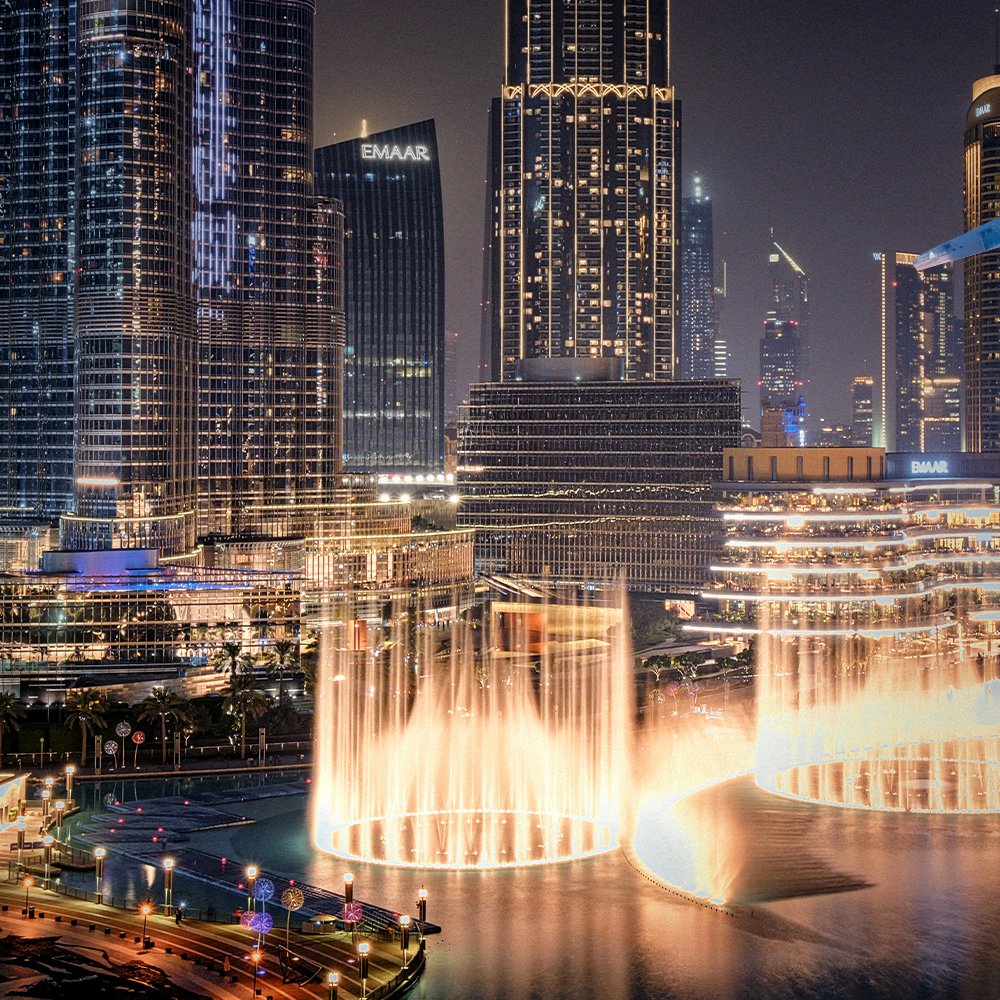




The world’s tallest building, Burj Khalifa in Dubai (828 meters tall with 163 floors), creates a unique challenge during Ramadan: residents on higher floors must wait longer to break their fast due to the curvature of the Earth and line-of-sight to the horizon.
According to a 2011 fatwa from Dubai’s leading clerics (including Grand Mufti Ahmed Abdul Aziz al-Haddad and Mohammed al-Qubaisi), the building is divided into three zones for prayer and fasting times:
- Floors 1–80: Follow standard Dubai iftar time (sunset as seen from ground level).
- Floors 81–150: Delay iftar by about 2 minutes (and adjust Maghrib/Isha prayers accordingly).
- Floors 151 and above: Delay iftar by 3 minutes (and sometimes up to 3–6 minutes in some interpretations, with dawn prayers earlier by the same amount).
The reason is simple yet fascinating: at greater heights, the sun remains visible longer after it has set for people on the ground. From the top floors, the horizon is farther away, so the sunset appears delayed by a few minutes. This is similar to how mountain dwellers historically broke their fast later than those in valleys.
The ruling aligns with Islamic principles that fasting ends when the sun fully sets from the observer’s position. Clerics emphasized that the difference is negligible in shorter buildings but noticeable in ultra-tall structures like Burj Khalifa.
This quirky fact has resurfaced every Ramadan since the 2011 fatwa, shared in viral posts, TikTok videos, and articles. It reminds Muslims worldwide that even in modern skyscrapers, ancient religious rules adapt to real-world conditions like height and geography.
For residents high up, those extra minutes of fasting add a unique spiritual layer to the holy month, proving that in Ramadan, every detail matters.