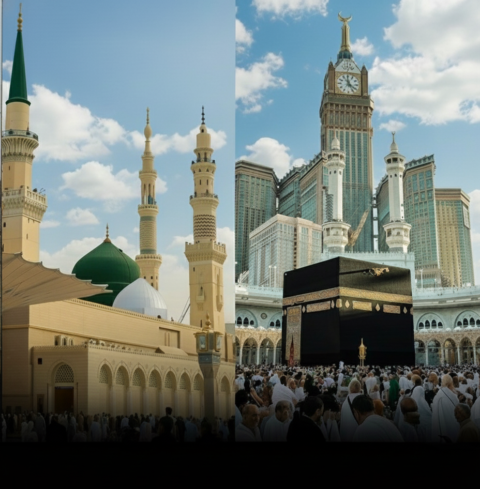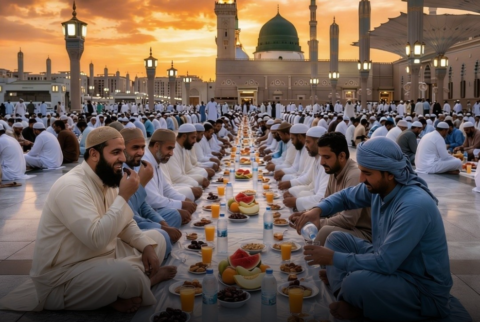
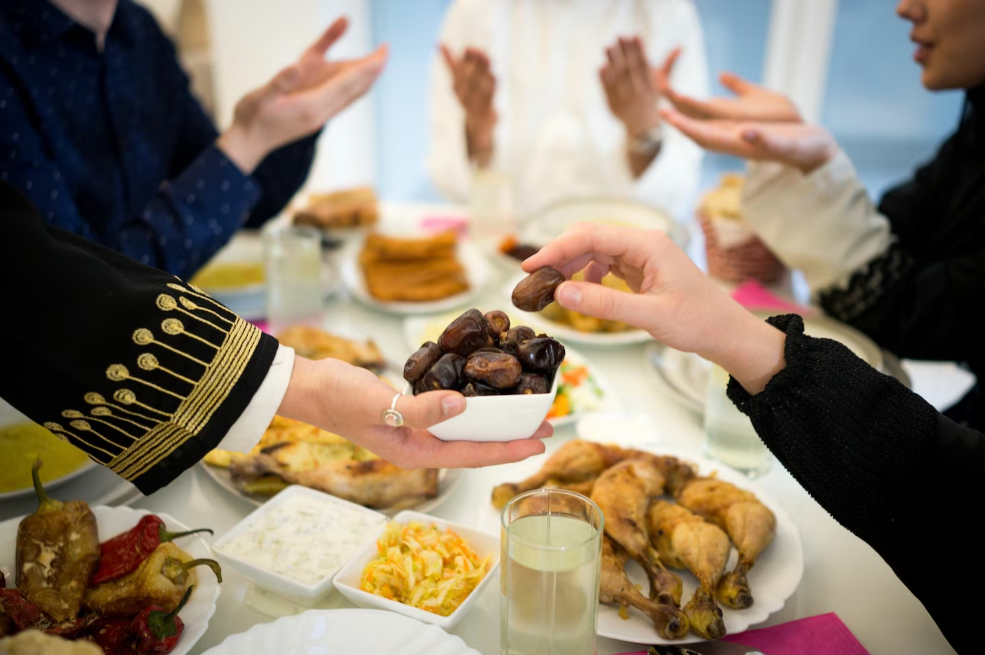



Every evening during Ramadan, as the sun sets over the golden minarets of Masjid Al-Nabawi in Madinah, something truly extraordinary unfolds. Long white cloths stretch across the marble courtyards.
Dates, water, bread, rice, and warm food appear in perfectly organised rows. Hundreds of thousands of fasting men and women from every country on earth sit down together, as one, to break their fast at the most blessed address in the world.
In just the first ten days of Ramadan 1447 AH, this sacred gathering produced a staggering number.
More than 2.9 million iftar meals were distributed at the Prophet’s Mosque in Madinah during the first ten days of Ramadan, made possible with the support of more than 12,095 male and female volunteers providing services in organisation, guidance, awareness, and humanitarian assistance. The General Authority for the Care of the Affairs of the Grand Mosque and the Prophet’s Mosque also provided services to over 88,900 beneficiaries through the mosque’s dedicated guest service centres.
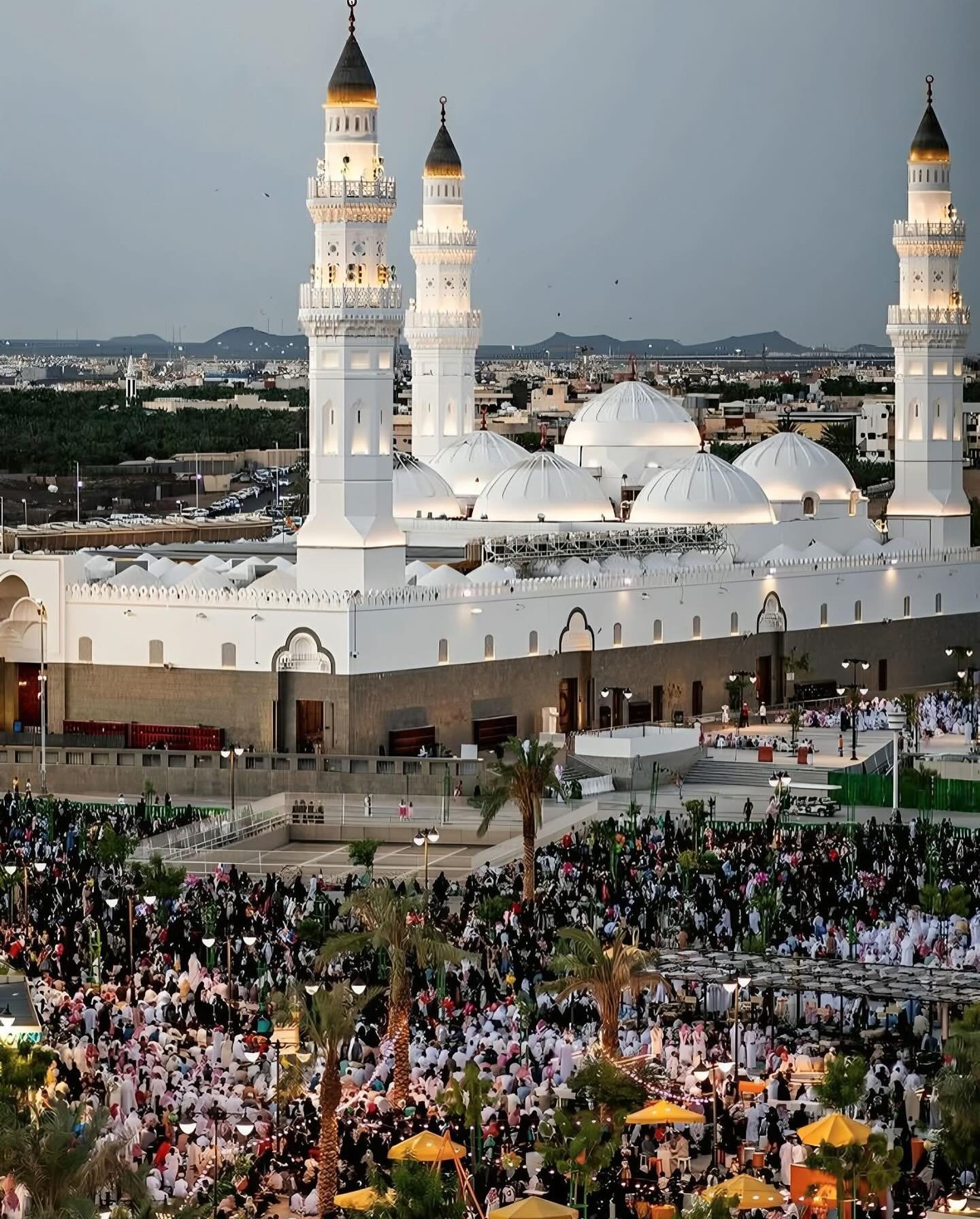
Hundreds of thousands of fasting worshippers, both residents and visitors, gathered to share in the iftar meal within the sacred precincts of the mosque, in an atmosphere defined by harmony, compassion, and deep reverence. Iftar tables were arranged throughout the mosque’s courtyards, supported by a comprehensive and carefully organised system of services designed to provide a peaceful and comfortable environment for every worshipper.
Individuals and private benefactors also stood at the forefront of these efforts, generously contributing to and personally serving iftar meals for fasting worshippers, exemplifying the enduring values of charity and communal care that have always defined Ramadan in Madinah.
To qualify as an official meal provider for the Two Holy Mosques during Ramadan, companies must hold valid commercial registration, municipal licences, and Saudi Food and Drug Authority certification, and must have the capacity to supply a minimum of 10,000 meals every single day, ensuring the highest standards of food safety and quality for millions of visiting worshippers.
Behind every meal on those long white cloths is a chain of thousands, cooks, drivers, volunteers, coordinators, and donors, all working together in quiet, faithful service. In Madinah, feeding a fasting stranger is not just charity. It is love.