





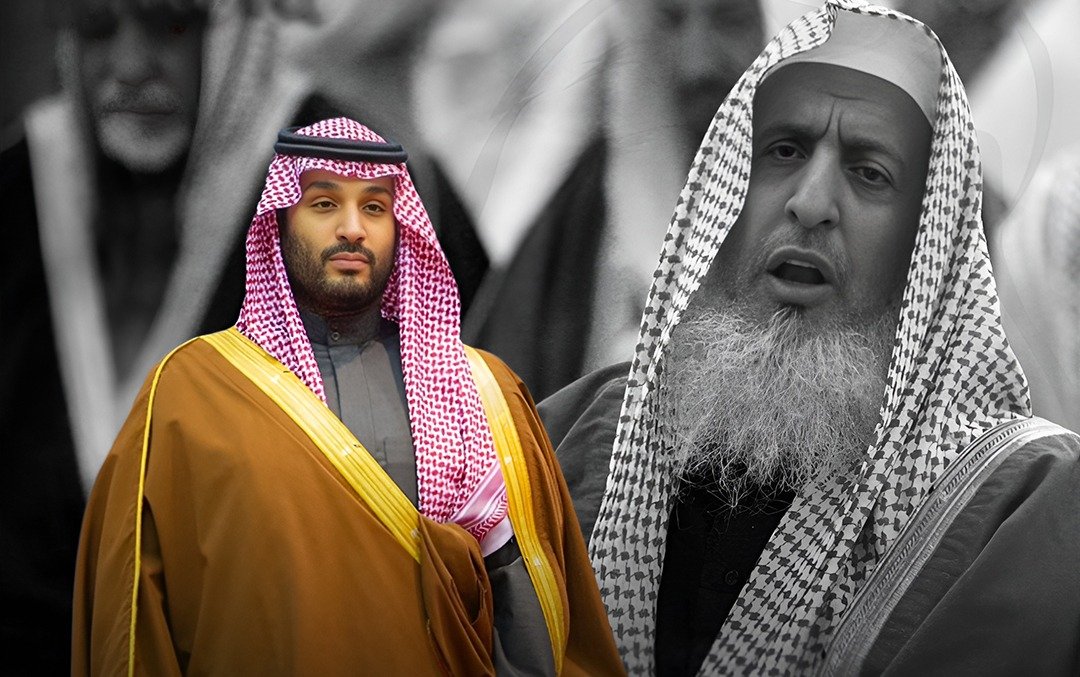
Saudi Arabia and the wider Islamic world are mourning the passing of Sheikh Abdulaziz bin Abdullah Al-Sheikh, the Grand Mufti of the Kingdom, who died on September 23, 2025, at the age of 82. His death marks the end of a significant chapter in the religious leadership of Saudi Arabia, where he served as the highest Islamic authority for over two decades.
Sheikh Abdulaziz Al-Sheikh was appointed Grand Mufti in 1999, following the death of his predecessor, Sheikh Abdulaziz ibn Baz. Over the course of his long tenure, he played a vital role in shaping religious discourse in the Kingdom and beyond. As Grand Mufti, he served as the head of the Council of Senior Scholars and the Permanent Committee for Islamic Research and Ifta, the highest religious bodies responsible for issuing fatwas and interpreting Islamic law in the country.
Born in Mecca in 1943 into the prominent Al ash-Sheikh family — descendants of the 18th-century reformer Muhammad ibn Abd al-Wahhab — Sheikh Abdulaziz was deeply rooted in the religious traditions of the Kingdom. He memorized the Qur’an at a young age and pursued his religious education at the Imam Muhammad ibn Saud Islamic University, specializing in Islamic jurisprudence. Despite losing his eyesight early in life, he became a leading scholar, teacher, and preacher.
Throughout his life, Sheikh Abdulaziz Al-Sheikh was a staunch advocate of conservative Islamic teachings, consistent with the Kingdom’s official religious doctrine. He was widely known for his Friday sermons at the Imam Turki bin Abdullah Mosque in Riyadh, and his public addresses during the Hajj season. His fatwas and legal opinions were influential not only within Saudi Arabia but also across the broader Muslim world.
During his tenure, Sheikh Abdulaziz addressed a range of contemporary issues, including extremism, sectarianism, and social changes in the Muslim world. He strongly condemned terrorism and denounced groups such as ISIS and al-Qaeda as un-Islamic, reinforcing the Saudi state’s stance against radical ideologies. While some of his views were considered deeply conservative, he remained a respected authority whose words carried weight in theological and political circles alike.
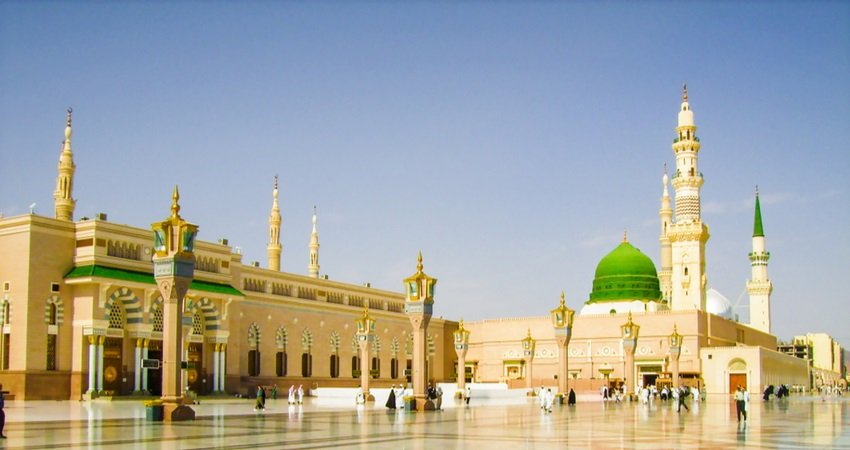
His death has prompted an outpouring of condolences from leaders across the Muslim world. In Saudi Arabia, King Salman bin Abdulaziz and Crown Prince Mohammed bin Salman extended their sympathies to the nation, describing Sheikh Abdulaziz as a “pillar of wisdom, knowledge, and moderation.” Funeral prayers were held in Riyadh, and special prayers in absentia were conducted in Makkah, Madinah, and mosques across the Kingdom.
Sheikh Abdulaziz leaves behind a legacy of religious scholarship, institutional leadership, and decades of service to Islamic jurisprudence. His passing comes at a time when Saudi Arabia is undergoing significant social and religious reforms, raising questions about the future direction of religious authority in the Kingdom.
The appointment of his successor is expected to be announced in the coming weeks, as the nation reflects on the contributions of a man who stood as a symbol of continuity and faith for more than two decades.