





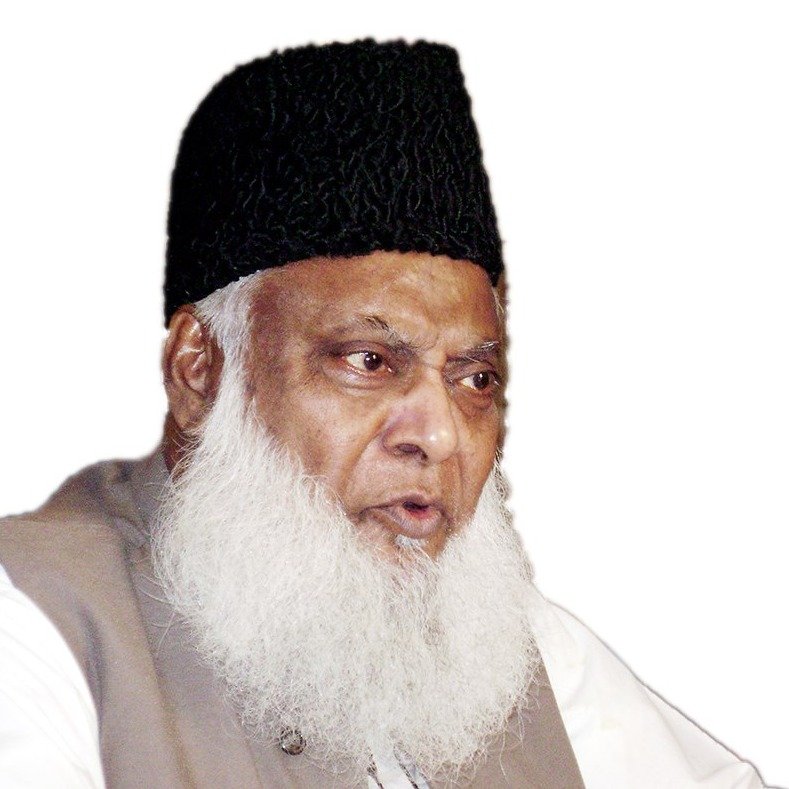
Renowned Islamic scholar Dr Israr Ahmed recently highlighted the importance of personal responsibility in religious practice, stating, “Islam main koi molvi profession nahi hai. Har Musalman ko is qabil hona chahiye kay woh namaz parhay, apni beti ka nikkah khud parhay, apnon ka janaza khud parhaye, jo dua usky dil ki gehrai say niklay gi woh koi Alim-e-Deen nahi kar sakta.” His statement underscores that Islam does not require intermediaries for acts of worship, but encourages every Muslim to actively engage in their faith.
Dr Israr explained that religion is not a profession but a personal commitment. Every Muslim, male or female, should be able to perform basic religious duties such as praying, conducting family ceremonies like weddings, and leading funeral prayers. He emphasized that prayers and supplications (dua) from the heart carry more spiritual weight than rituals performed by religious scholars.
The scholar also pointed out that reliance solely on clergy or religious leaders can limit a Muslim’s personal connection with God. True devotion, according to Dr Israr, comes from understanding religious teachings and practicing them independently while seeking knowledge continuously.
His message resonates with the broader theme of Islamic empowerment and education, encouraging believers to learn and apply their faith confidently. It also reflects the principle that spiritual sincerity matters more than formal titles or positions.
Dr Israr’s remarks have sparked discussions in religious circles, emphasizing that while scholars guide and teach, the ultimate responsibility for faith and worship rests with every individual Muslim, fostering personal growth and a deeper relationship with God.