


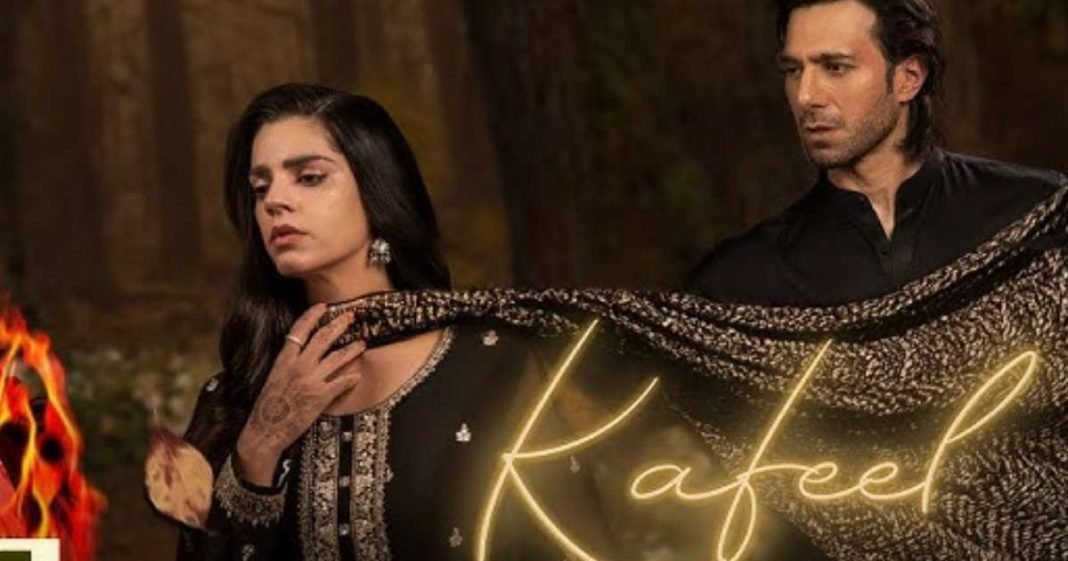
Kafeel’s sharp dialogue delivers a painful truth: “You’re still in this bad marriage because you care what society thinks.” This single line captures what many Pakistani dramas shy away from, the real reason people stay trapped in unhappy relationships.
The strength of this moment lies in its honesty. Instead of sugarcoating the situation, Kafeel calls out the fear that keeps someone locked in misery. It’s not love or hope holding the marriage together, it’s the terror of neighborhood gossip and family shame. The writers deserve credit for naming this uncomfortable reality so directly.
What makes this dialogue effective is how it strips away excuses. The character can no longer hide behind noble reasons or pretend they’re being strong. Kafeel forces them to admit they’re choosing social approval over their own happiness and safety. This kind of brutal honesty is rare in television drama.
The scene works because it speaks to a common experience. Across cultures, especially in traditional societies, the phrase “what will people say” has destroyed countless lives. Women particularly face this pressure, stay quiet, adjust, and don’t bring shame to the family. This dialogue challenges that toxic mindset.
Pakistani television has often glorified silent suffering as a woman’s duty. Shows reward characters who endure abuse with patience. This dialogue breaks that pattern by suggesting that staying in a harmful marriage isn’t brave; it’s choosing fear over freedom.
Whether this confrontation leads to real change in the story remains unclear. But simply saying the quiet part out loud makes this moment valuable television.