



In a move that would affect tens of millions of students across the country, the Pakistani government is seriously considering shutting down all schools and universities nationwide, and the reason has nothing to do with security threats or disease outbreaks. It is about fuel.
The federal government is weighing a series of fuel conservation measures, including the possible closure of schools and universities across Pakistan starting March 8, as authorities brace for potential oil supply disruptions triggered by the escalating conflict in the Middle East.
A national action plan was finalised in consultation with provincial authorities by a cabinet committee set up specifically to monitor petrol prices. The plan will be presented to Prime Minister Shehbaz Sharif for approval before going to the federal Economic Coordination Committee for formal implementation.
The broader contingency plan being considered mirrors protocols used during the COVID-19 pandemic, including carpooling, remote work, and online learning, all aimed at cutting fuel consumption and protecting Pakistan’s precious foreign exchange reserves.
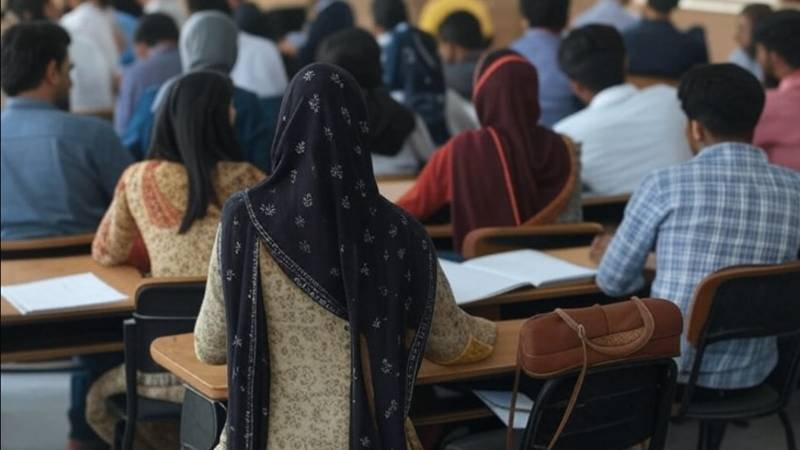
Under the proposed measures, educational institutions may temporarily suspend physical classes and shift entirely to online learning, while corporate offices would be encouraged to adopt work-from-home arrangements to reduce daily fuel usage across cities.
The timing is critical. With the Strait of Hormuz disrupted and Pakistan’s fuel import costs rising sharply, every litre saved matters enormously for a country already under serious economic pressure.
For millions of parents, students, and teachers, the coming days will bring either relief or a major disruption, all depending on how quickly the situation in the Middle East changes.