






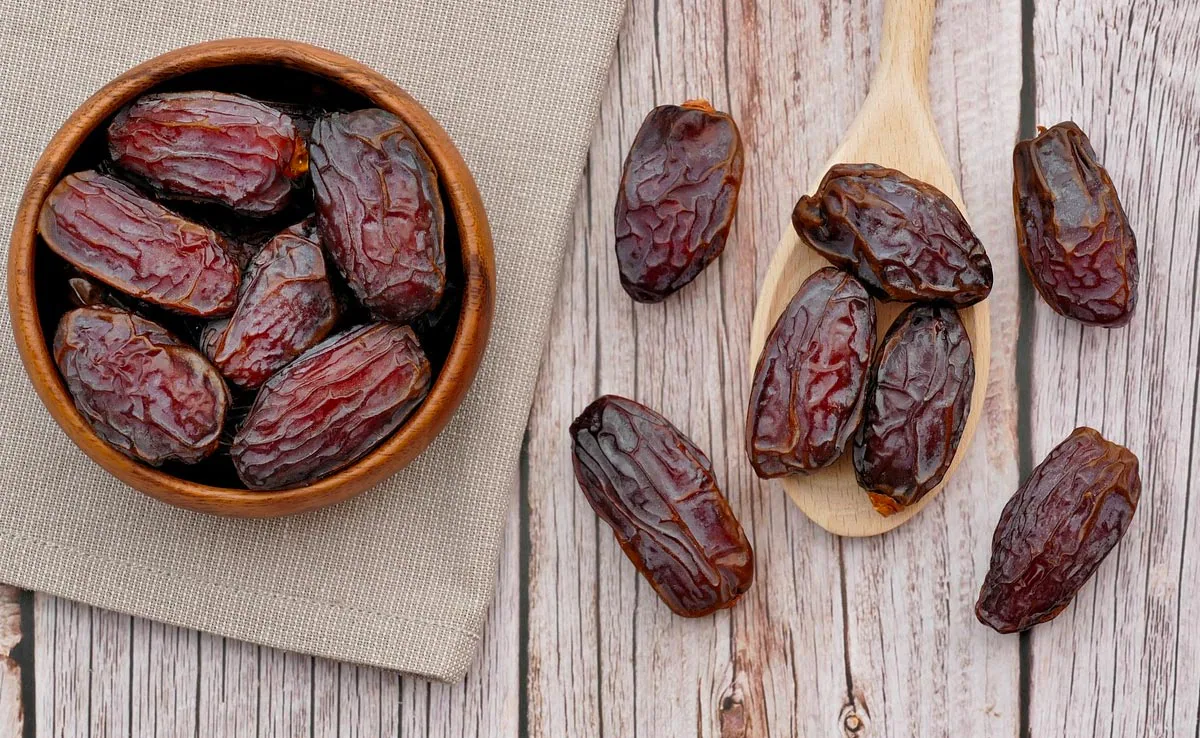
Dates hold a special place in Islamic tradition and were known to be the favourite fruit of Prophet Muhammad (S.A.W). They are praised not only for their taste but also for their nutritional and spiritual significance. The Quran mentions dates 27 times, highlighting their importance in daily life, religious rituals, and as a symbol of sustenance and blessing.
Prophet Muhammad (S.A.W) frequently consumed dates and recommended them for their health benefits. He emphasized breaking fasts during Ramadan with dates, as they provide quick energy and essential nutrients. Dates are rich in natural sugars, fiber, vitamins, and minerals, making them a wholesome fruit that nourishes the body and mind.
Islamic texts also highlight the use of dates in medicinal and spiritual practices. They were considered a source of strength and healing. In various Hadiths, the Prophet advised eating dates regularly, particularly mentioning Ajwa dates from Madinah, which are believed to have unique protective qualities.
Beyond nutrition, dates hold cultural and religious significance. They are often used in Zakat (charity) and Sadaqah (voluntary giving), symbolizing sharing blessings with the needy. They are also mentioned in the context of historical events in the Quran, reflecting their long-standing role in Arab society and Islamic heritage.
Today, Muslims around the world continue the tradition of consuming dates, especially during Ramadan, following the Prophet’s guidance. Their enduring significance in the Quran and Hadith underscores dates as not just a fruit but a spiritual and cultural symbol, representing nourishment, generosity, and the legacy of Prophet Muhammad (S.A.W).