
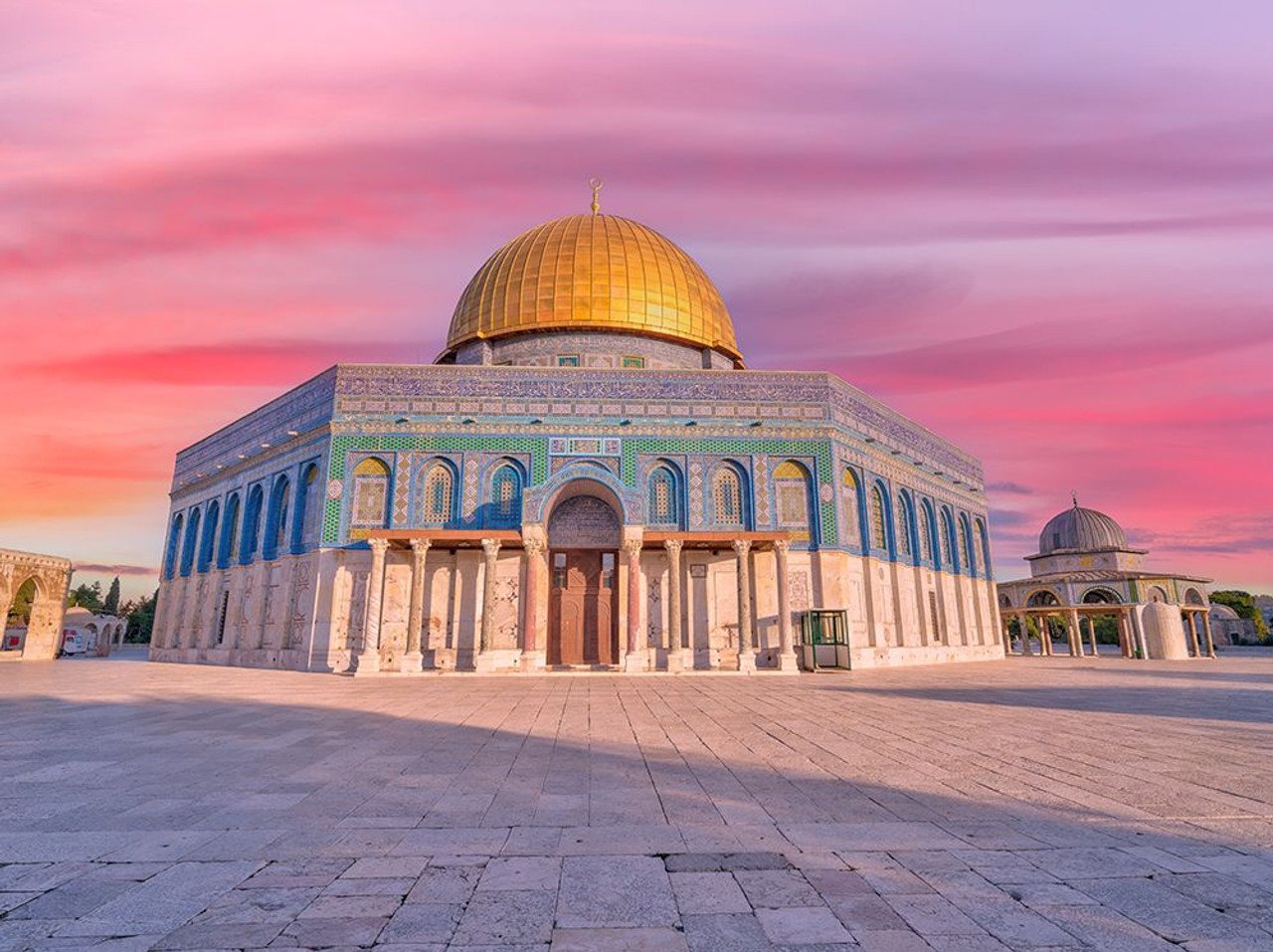

In one of the most painful and disturbing moments of Ramadan 2026, Palestinian Muslims have been denied access to Al-Aqsa Mosque, Islam’s third holiest site, for over two weeks. Instead of praying inside the blessed mosque during the holiest month of the year, worshippers have been forced to lay their prayer mats on the streets of Jerusalem and pray outside.
When the Israeli-US war against Iran began on February 28, Israeli security forces sealed Al-Aqsa entirely, preventing anyone from entering, including the mosque’s own staff and guards. As Ramadan started, Israel imposed restrictions on Palestinian worshippers entering Al-Aqsa, notably barring persons under 55 years of age, and those permitted entry were subjected to searches, detention, and sometimes denied entry by Israeli soldiers.
Palestinians performed the last Friday prayer of Ramadan on the streets after Israel kept Al-Aqsa Mosque closed to worship, with the closure now entering its thirteenth consecutive day. The Arab Parliament Speaker condemned the move as a clear provocation to Muslim sentiments worldwide, calling it a violation of freedom of worship and an infringement of the historical and legal status quo in occupied Jerusalem.
Qatar, Jordan, Indonesia, Turkey, Pakistan, Saudi Arabia, Egypt and the United Arab Emirates jointly condemned Israel’s continued closure, with their foreign ministers calling the restrictions a “flagrant violation of international law” and demanding that Israel immediately cease blocking Muslim worshippers’ access to the mosque.
This closure during Ramadan is unprecedented in recent memory. The mosque was briefly closed in 2014, again in 2017, and during COVID-19, but no prolonged closure during Ramadan had ever been recorded since Israel’s occupation of East Jerusalem in 1967.