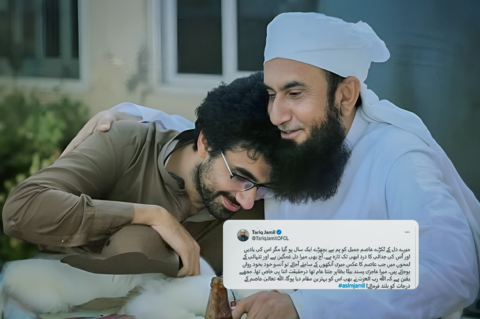




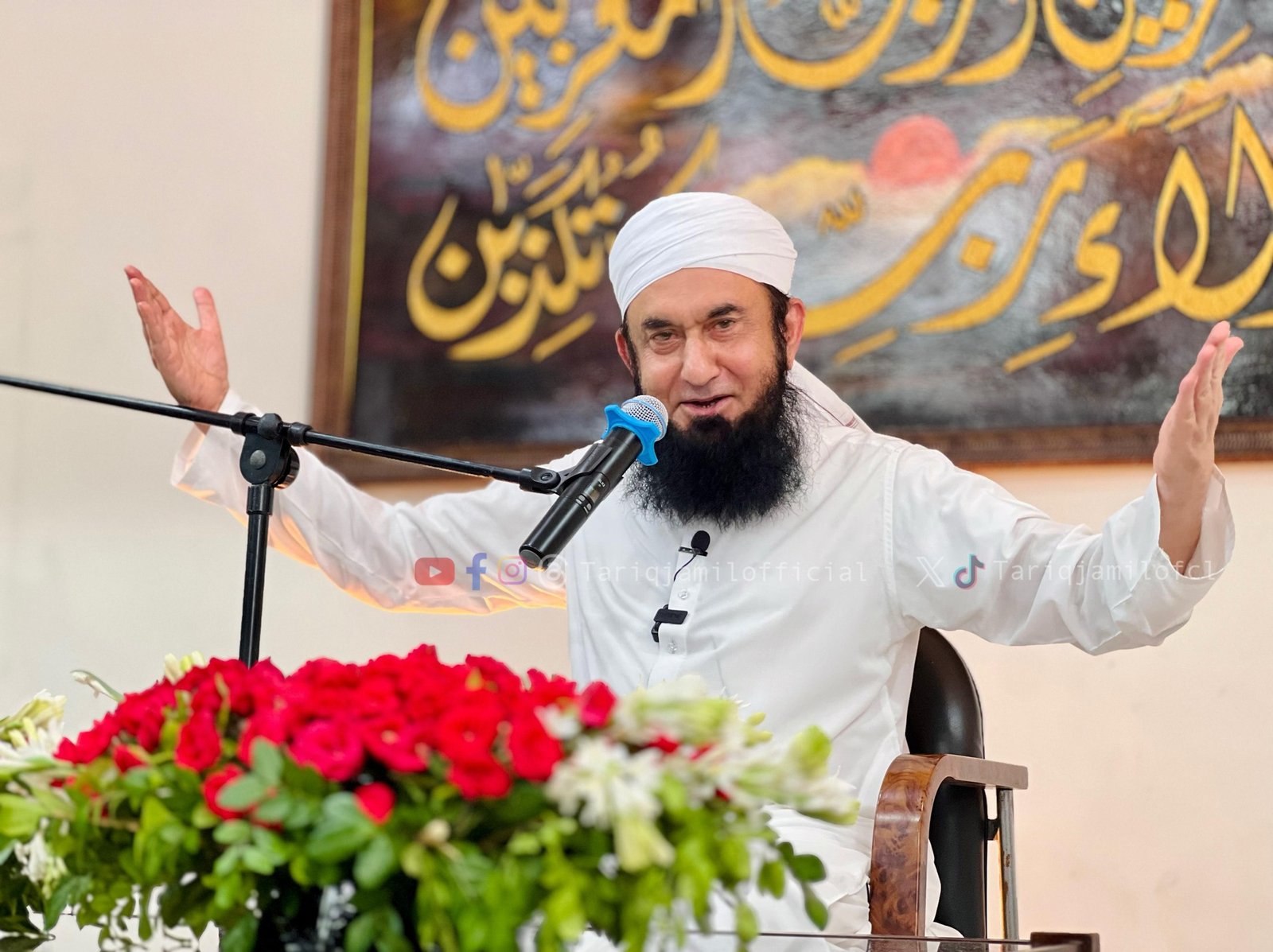
Renowned Islamic scholar Maulana Tariq Jameel recently shared a powerful lesson on compassion and forgiveness. He said, “Nafrat Gunah Se Karo, Gunah Karne Wale Se Nahi; Shayad Tumhari Mohabbat Mein Aa Kar Woh Gunah Karna Chor De.”
His words promote a deeply humane and constructive approach to dealing with people who commit sins. Rather than rejecting or shaming them entirely, Maulana Jameel encourages using love, kindness, and understanding as tools for positive change.
He believes that when we separate the person from their actions and continue to offer love, we give them a stronger reason to reform.
This message resonates in a time when public discourse often leans toward division and judgment. By focusing on the act rather than the individual, Maulana Jameel’s advice mirrors the Islamic principle of mercy. He underscores that empathy should not be confused with approval of wrongdoing, it is about showing a path to self-improvement.
His call to action is especially relevant in personal relationships, communities, and even larger societal contexts. Treating people with dignity, even when they err, can foster healing and encourage change.
As his message spreads, many people see it as a reminder that compassion and forgiveness are not signs of weakness, they are powerful expressions of faith and strength.
Maulana Tariq Jameel’s wise words urge us to choose love over hate, offering a vision of social harmony grounded in empathy, understanding, and spiritual growth.