






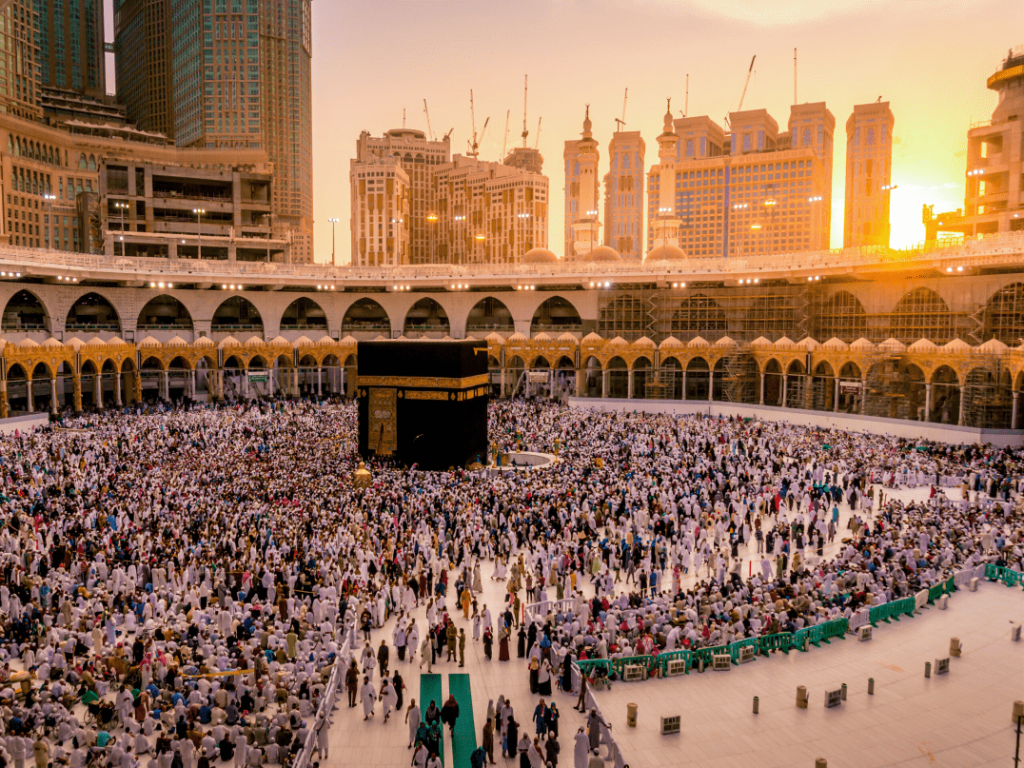
Saudi Arabia has announced new safety measures for the 2026 Hajj, including the issuance of electronic bracelets for all pilgrims and the installation of 1,000 new surveillance cameras. These steps aim to enhance security, manage crowds, and improve the overall pilgrimage experience.
The e‑bracelets will store each pilgrim’s personal and medical information, making it easier for authorities to provide assistance in emergencies. They will also help pilgrims navigate the holy sites, keep track of prayer and event timings, and provide multilingual support for non-Arabic speaking visitors. Officials say these features are especially useful for the millions of pilgrims who travel to Mecca from around the world each year.
The 1,000 new cameras will be installed in key areas throughout the pilgrimage sites. They will allow authorities to monitor crowd movement in real time, helping prevent congestion and respond quickly in case of accidents or medical emergencies. This technology will support a safer and more organized flow of pilgrims during one of the largest annual gatherings in the world.
Saudi authorities have emphasized that these measures are part of a wider plan to use technology for public safety, crowd control, and smooth operations during Hajj. Officials hope that the e‑bracelets and surveillance system will reduce accidents, make lost pilgrims easier to locate, and improve communication between authorities and pilgrims.
With millions expected to attend Hajj in 2026, these initiatives are seen as an important step toward creating a safer, more efficient, and inclusive pilgrimage experience for people from all over the globe.