

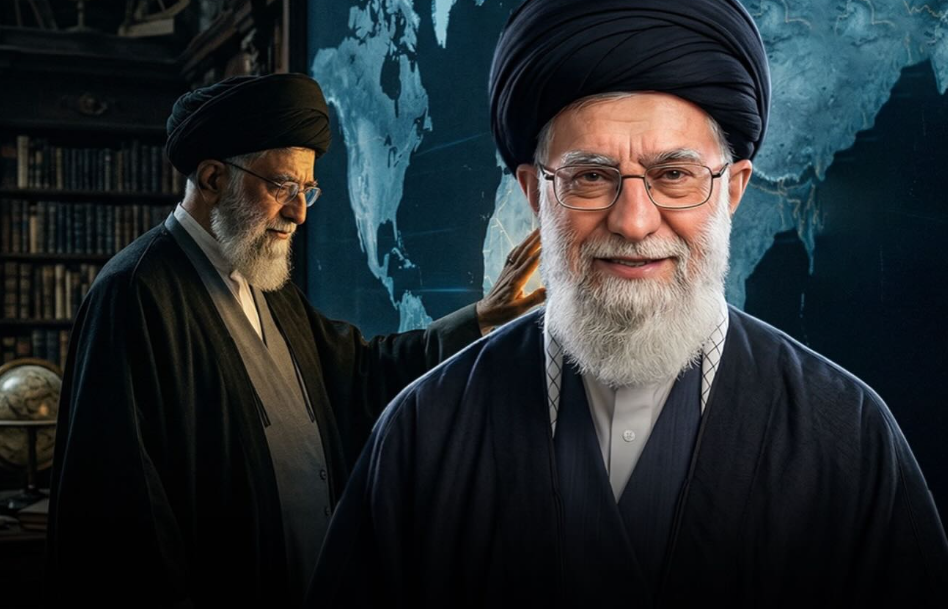


When news broke on February 28, 2026, that Ayatollah Ali Khamenei had been killed in joint US-Israeli strikes on Tehran, the reaction from Muslim heads of state across the world was largely defined by one thing, silence.
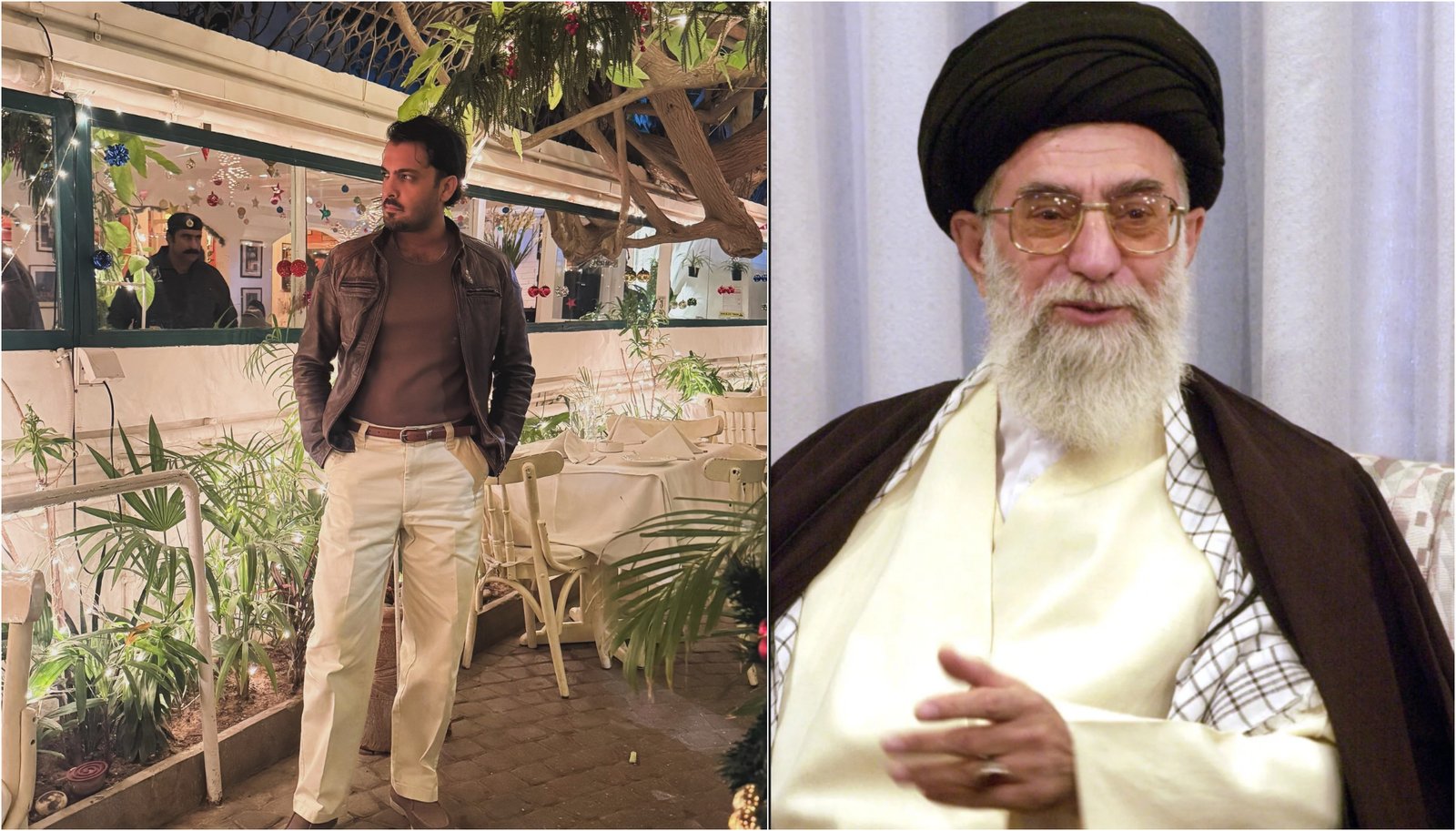
It was this silence that Pakistani commentator Assad Siddiqui captured in words that resonated with millions: “The man who stood alone while all the so-called Muslim leaders of the world stayed silent.”
Khamenei served as Supreme Leader of Iran from 1989 until his death on February 28, 2026, a tenure of over 36 years, making him the longest-serving head of state in the Middle East at the time of his death.
Throughout those decades, one cause never wavered, Palestine. While Gulf states quietly signed peace deals and normalized ties with Israel, Khamenei kept Palestine at the center of every speech, every policy, and every alliance he built.
Under his leadership, Iran supported the entire “Axis of Resistance”, including Hezbollah in Lebanon, Hamas in Gaza, and the Houthis in Yemen, providing political, financial, and military backing to those fighting Israeli occupation.
T
When US-Israeli bombs fell on Tehran, Muslim governments across the Gulf either stayed silent or condemned Iran’s retaliation, while saying nothing about the strikes that killed a Muslim leader. Muslim community leaders in Lucknow stated that Khamenei “spoke for the interests of Muslims all over the world” and stood with the oppressed people of Palestine till his very last breath.
Hamas gave the most powerful tribute, saying Khamenei provided “all forms of political, diplomatic and military support” to the Palestinian people and their resistance.
Assad Siddiqui’s words were not just a tribute, they were an indictment of a Muslim world that watched one man stand alone for decades, and when he fell, had nothing to say.