
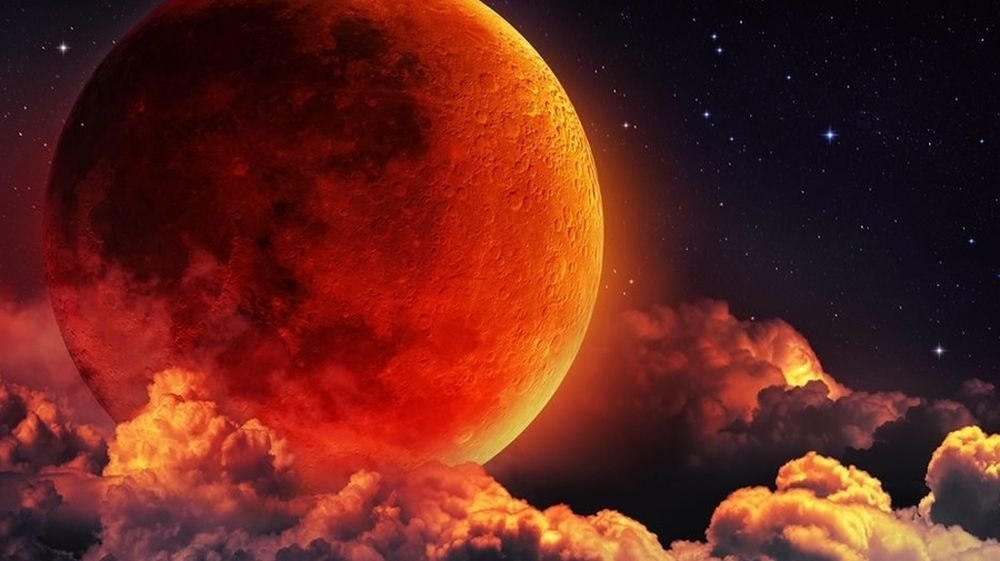




On March 3, 2026, the world will witness a long and beautiful total lunar eclipse. The moon will turn a deep red color, often called a “blood moon,” for about 82 minutes. This is one of the longest total lunar eclipses in recent years, and around 6 billion people across the world will be able to see at least part of it.
A lunar eclipse happens when the Earth comes between the sun and the moon. Sunlight passes through Earth’s atmosphere and bends toward the moon, giving it a red or orange glow. This eclipse starts late on March 2 and reaches its full phase early on March 3. The total red phase will last 82 minutes, longer than most eclipses.
People in Europe, Africa, most of Asia, Australia, and parts of South America will see the full eclipse. In North America, people on the west coast will catch the end of the eclipse, while those in Pakistan, India, and the Middle East will see it clearly in the early morning hours of March 3. Only parts of North and South America will miss it completely.
The eclipse will be safe to watch with the naked eye — no special glasses are needed. Many families will enjoy the beautiful red moon together. Scientists say the red color depends on dust and clouds in Earth’s atmosphere, so it may look brighter or darker depending on the weather.
This event is special because lunar eclipses are rare, and such a long one is even rarer. People in Pakistan can watch it from rooftops or open areas starting around 2:30 AM to 5:00 AM local time. Many will take photos and share the moment with friends and family.