





Recent political and social developments in India have once again sparked discussions about the relevance of the Two-Nation Theory, a principle advocated by Quaid-e-Azam Muhammad Ali Jinnah during the partition of the subcontinent. The theory argued that Muslims in India needed a separate homeland to preserve their religion, culture, and rights.
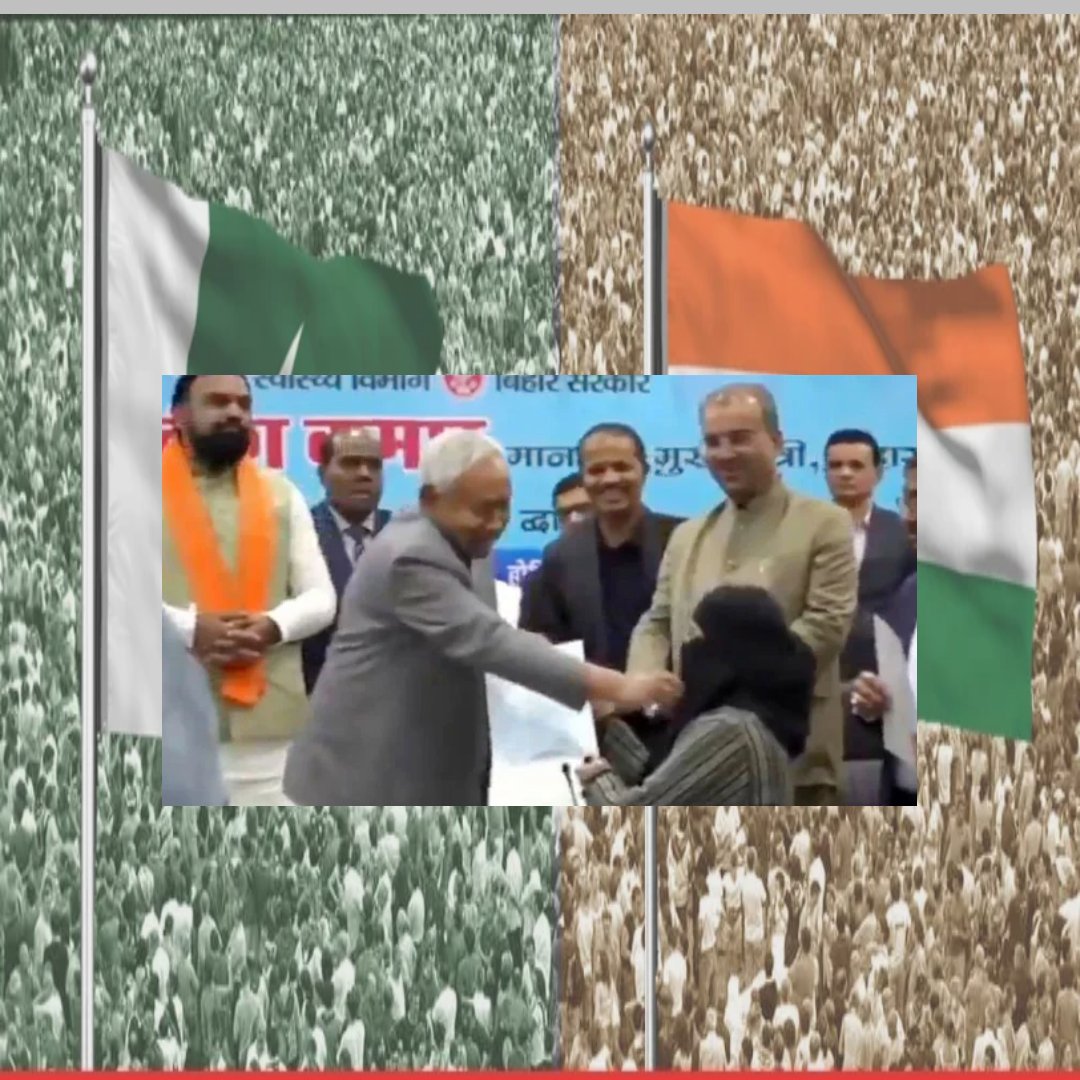
Supporters of this viewpoint point to recent incidents, including actions by some state governments targeting Muslim women’s right to wear the hijab, as evidence that the concerns Jinnah raised decades ago remain valid. These measures, critics argue, undermine religious freedom and highlight systemic pressures faced by minority communities in India.
For many historians and political analysts, such events serve as reminders of why Jinnah called for an independent country for Muslims. Pakistan was envisioned as a place where Muslims could live with dignity, equality, and the freedom to practice their faith without interference or discrimination. The creation of Pakistan was not only a political necessity at the time but also a safeguard for the social and religious identity of Muslims in the subcontinent.
Today, observers note that ongoing social tensions, restrictions, and discriminatory policies reinforce the wisdom behind the demand for a separate homeland. While the subcontinent has seen decades of change, these incidents continue to resonate with those who advocate for minority rights and interfaith harmony.
For Pakistanis, such developments reaffirm the historical significance of Pakistan’s creation, highlighting the vision of Quaid-e-Azam Muhammad Ali Jinnah and the enduring relevance of the Two-Nation Theory in safeguarding the rights and freedoms of Muslims.