
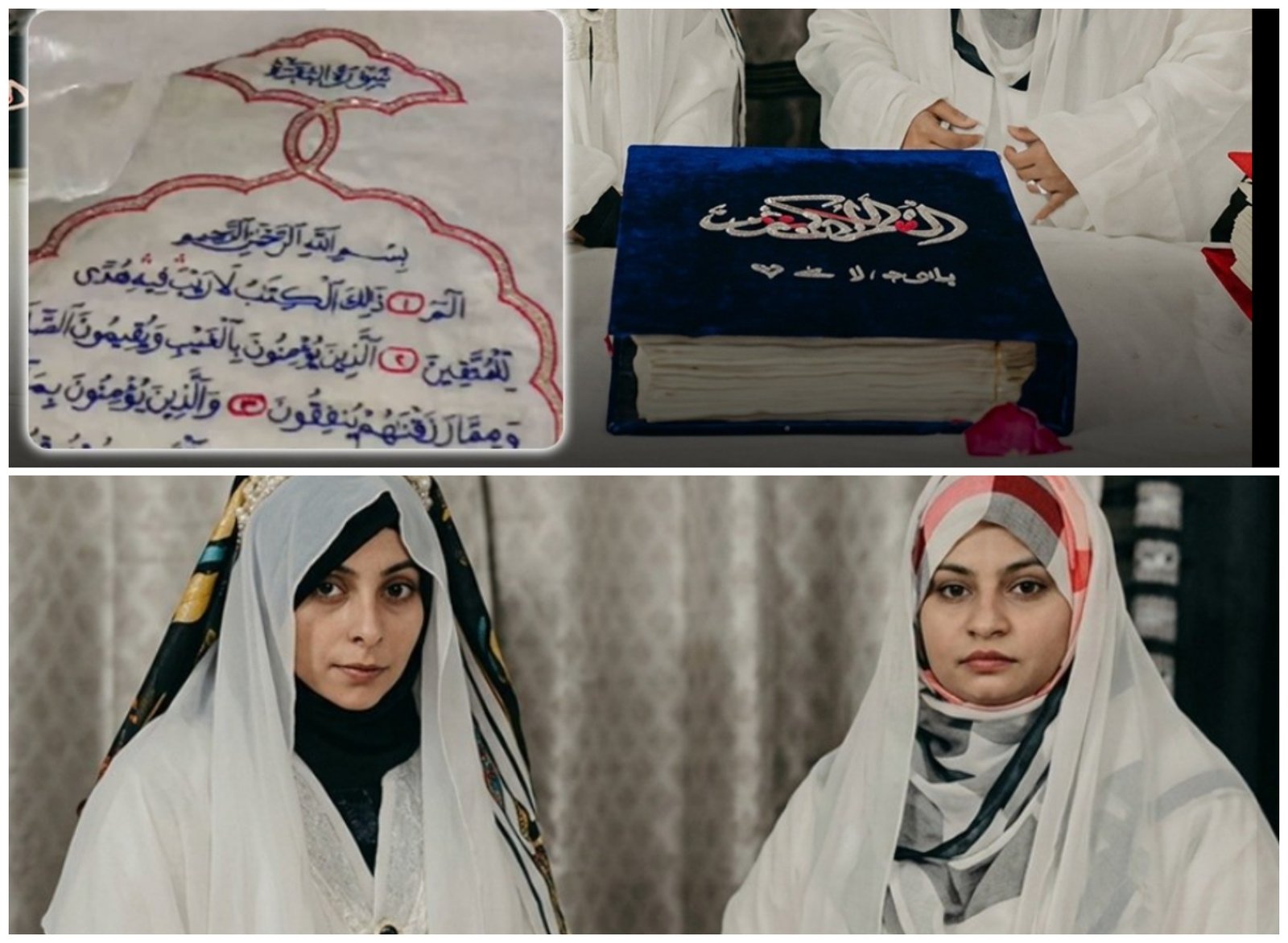





Before Islam, many societies treated daughters as a burden. In pre-Islamic Arabia, female infanticide was a harsh reality. Newborn girls were buried alive out of fear of poverty, social shame, or tribal weakness. The Quran directly condemned this practice and questioned it with powerful words, asking for what sin the girl was killed for. This marked a moral turning point in human history.
Islam not only stops the killing of daughters, but it rebuilt their status from the ground up. The Prophet Muhammad (peace be upon him) openly challenged cultural hatred toward girls. He taught that raising daughters was a source of reward, not disgrace. In several authentic Hadiths, he promised Paradise to those who raised daughters with kindness, patience, and care. One narration states that whoever raises two or three daughters well will find them a shield from Hellfire.
The phrase “Paradise lies under the feet of mothers” reflects how Islam honors women at every stage of life. A once-unwanted girl became a daughter with rights, an educated individual, a wife with consent, and a mother deserving the highest respect. Islam made it clear that goodness to daughters and mothers is not optional; it is a path to Jannah.
Historically, this teaching reshaped Muslim societies. Girls gained the right to life, inheritance, education, and dignity. While cultures still struggle with gender injustice today, Islamic teachings remain clear and firm.
At a time when daughters were killed, Islam made their care a reason for salvation. This shift stands as one of Islam’s most profound social reforms, rooted in mercy, justice, and human worth.